Frankie Keller · 15 September 2026
Rivana Youth Groups Organize Cross-Generational Storytelling Sessions
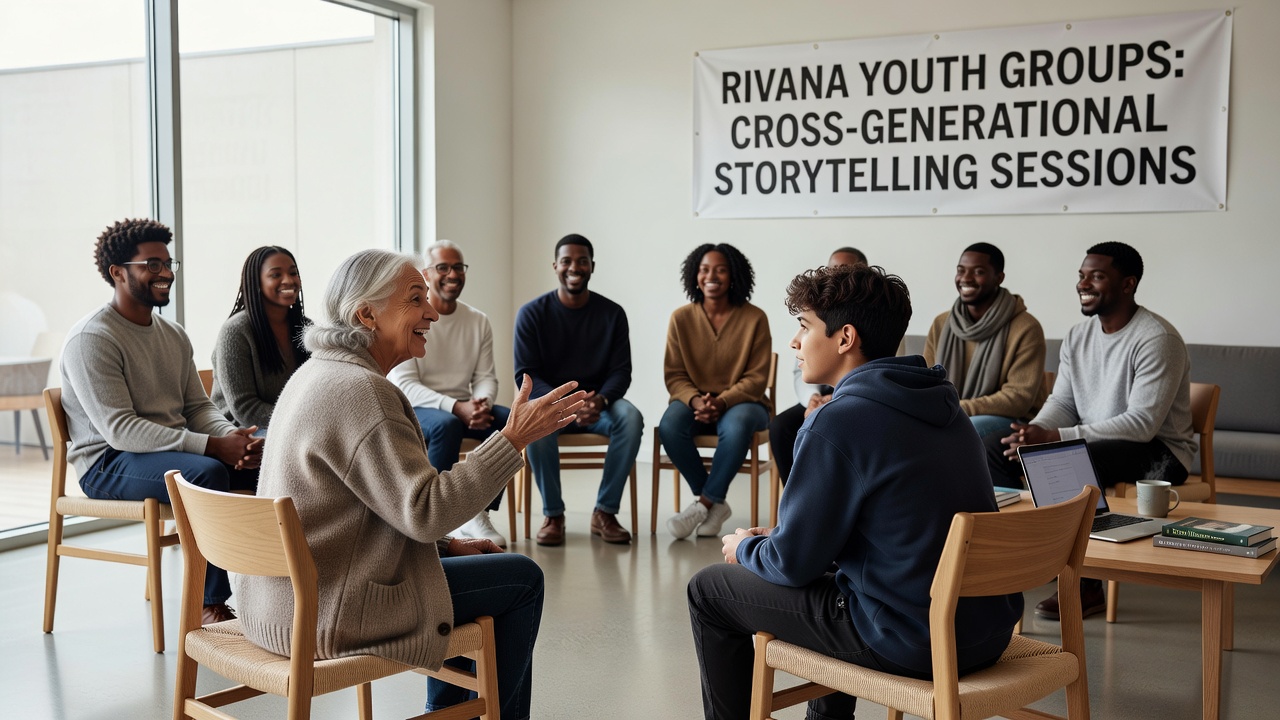
Youth organizations across Rivana have launched a series of cross-generational storytelling sessions that pair local teenagers with community elders to exchange personal histories and cultural narratives, and these events have expanded steadily since their initial rollout in early 2025.
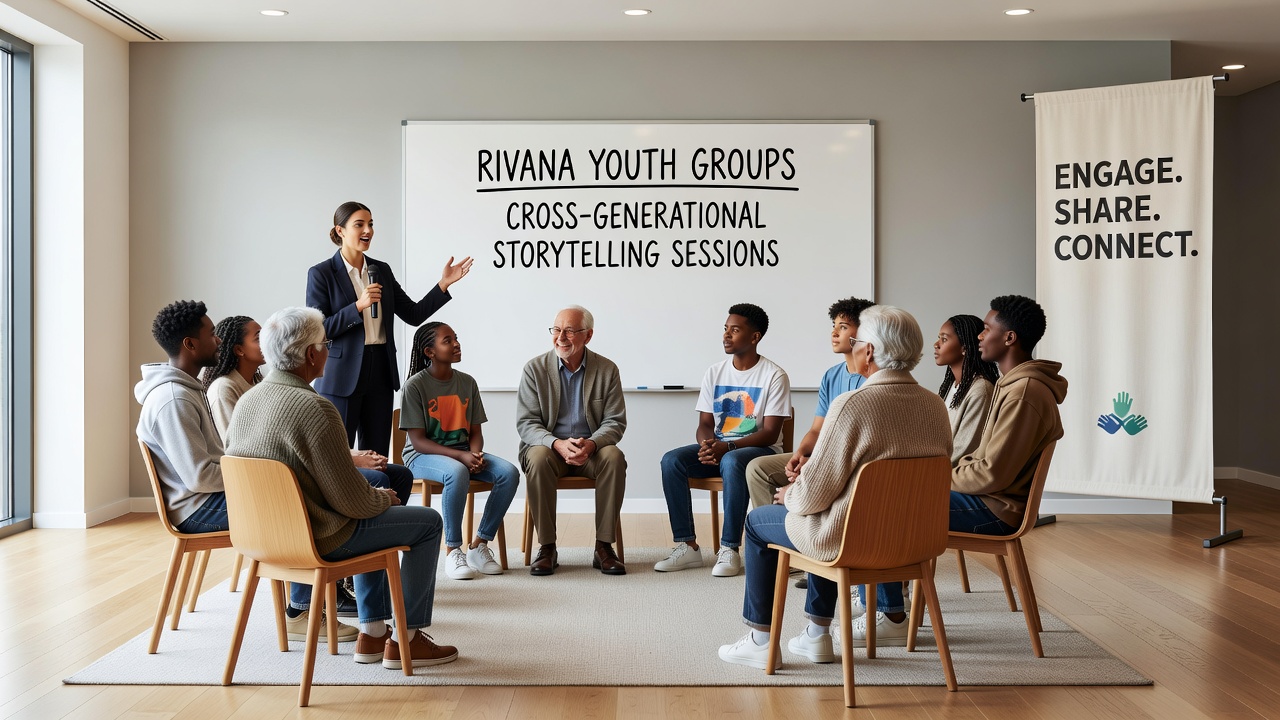
Participants meet in public libraries, community centers, and school auditoriums where trained facilitators guide structured conversations that last between ninety minutes and two hours, while organizers record the sessions for archival purposes with consent from all involved.
Program Structure and Schedule
Sessions follow a consistent format that begins with brief introductions, moves into paired storytelling rounds, and concludes with group reflections, and coordinators schedule these gatherings twice monthly in each of Rivana's four main districts.
September 2026 marks the start of an extended cycle that will run through December, with twelve additional meetings planned to accommodate increased registration numbers that have already reached 340 active participants across age groups.
Each meeting focuses on a rotating theme such as local migration stories, traditional crafts, or family recipes passed down through generations, and facilitators provide prompt cards to help maintain flow during exchanges.
Participant Demographics and Recruitment
Youth groups aged fourteen to nineteen recruit through school clubs, after-school programs, and social media channels managed by the Rivana Youth Network, whereas elders over sixty-five sign up via senior centers and neighborhood associations.
Data from the most recent intake period shows balanced representation with 172 young participants and 168 older adults, and registration remains open on a rolling basis to maintain group sizes of eight to twelve people per session.
One coordinator noted that transportation assistance and flexible timing have helped sustain attendance rates above 85 percent since the program's expansion, while translation services support families whose primary language is not English.
Documentation and Archival Efforts
Trained volunteers capture audio and written summaries during each session, and these materials feed into a growing digital archive hosted by the Rivana Public Library system that currently holds transcripts from 78 prior events.
Researchers from the University of Toronto's Intergenerational Studies Lab have reviewed anonymized portions of the archive to examine narrative patterns, and their preliminary findings highlight recurring themes of resilience and adaptation across decades. University of Toronto research on intergenerational narratives provides context for similar initiatives elsewhere.
Organizers plan to release a public-facing podcast series drawn from selected recordings beginning in late 2026, with episodes edited to preserve participant privacy while showcasing representative stories from each district.
Community Partnerships and Resources
Local businesses supply venue space and refreshments, and the Rivana Municipal Council allocates small grants that cover facilitator training and recording equipment, while nonprofit partners handle outreach to underrepresented neighborhoods.
Training for facilitators draws on guidelines developed by the Australian Institute of Family Studies, which emphasize active listening techniques and conflict de-escalation methods suited to mixed-age groups. Australian Institute of Family Studies guidelines inform the approach used in Rivana sessions.
Equipment kits containing portable recorders and printed prompt materials rotate among the four district teams, and maintenance logs show consistent use without major disruptions since the program's inception.
Observed Patterns in Session Outcomes
Attendance logs and post-session feedback forms collected by organizers indicate that repeat participation remains high, with many pairs continuing informal conversations outside scheduled meetings, and district reports document the formation of at least fifteen ongoing mentor relationships since January 2026.
Themes emerging from archived transcripts include accounts of mid-century industrial changes in Rivana, wartime experiences shared by the oldest participants, and contemporary reflections on digital technology from younger voices, and these narratives are cross-referenced during later sessions to build continuity.
Coordination teams meet quarterly to review participation metrics and adjust scheduling, and adjustments made after the spring 2026 review included adding evening slots to accommodate working elders and expanding child-care options for young parents who wish to attend.
Conclusion
The cross-generational storytelling initiative continues to scale through established partnerships and documented processes that support consistent delivery across Rivana districts, and upcoming sessions in September 2026 will extend the archive while maintaining the core structure of paired exchanges and thematic focus areas.
Archival materials and attendance data provide measurable records of engagement, while external research frameworks from academic institutions guide ongoing refinements without altering the participant-driven nature of each gathering.