David Reed · 10 November 2026
Rivana's Beekeeper Network Expands to Include School Gardens for Pollination Education
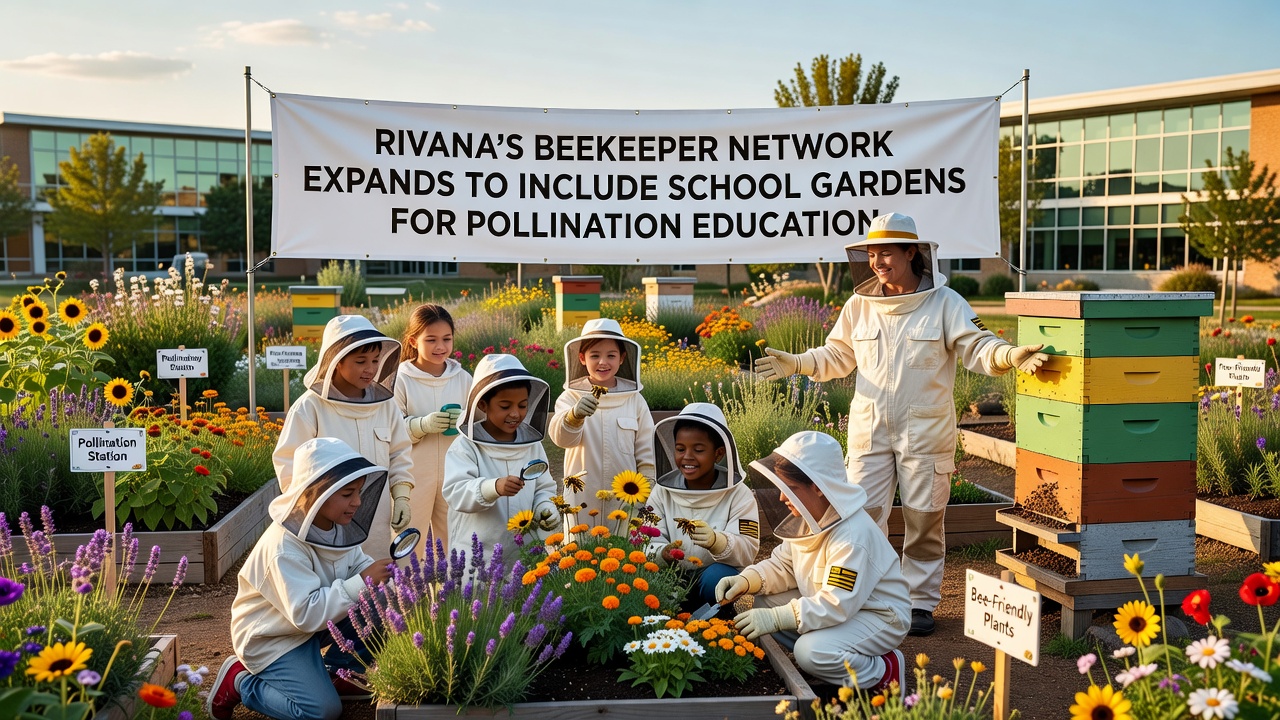
The Beekeeper Network in Rivana has grown its reach by integrating school gardens into its core activities, creating hands-on pollination education programs that connect local beekeepers with students across multiple districts. This development builds on existing apiary partnerships and introduces structured garden installations where children learn about bee habitats, flower cycles, and the mechanics of cross-pollination through direct observation and maintenance tasks. Officials announced the expansion rollout in late 2025, with full implementation scheduled to reach twelve additional schools by November 2026.
Program Structure and Daily Operations
Beekeepers transport portable observation hives to participating campuses, while volunteers help plant native flowering species selected for their bloom timing and nectar production rates. Students participate in weekly sessions that cover hive inspections, pollen collection tracking, and seasonal garden adjustments, and these activities align with existing science curricula to reinforce concepts of ecosystems and food webs. Data collected from the gardens feeds into a shared regional database that monitors pollinator visits and plant health metrics.
Training modules provided by network coordinators emphasize safety protocols around live hives and introduce basic record-keeping methods that mirror professional apiary practices. Schools receive starter kits containing seeds, soil amendments, and protective gear, and partnerships with local nurseries ensure consistent supply of pollinator-friendly varieties suited to Rivana's climate patterns.
Educational Outcomes and Community Reach
Early participant reports indicate increased student understanding of insect roles in agriculture, with classes documenting changes in garden biodiversity over single growing seasons. The network coordinates with district education offices to align lesson plans with standardized learning objectives, and guest presentations from entomologists supplement classroom work. Families often join evening open-house events where they observe hive activity and learn about home-scale planting options that support similar efforts.
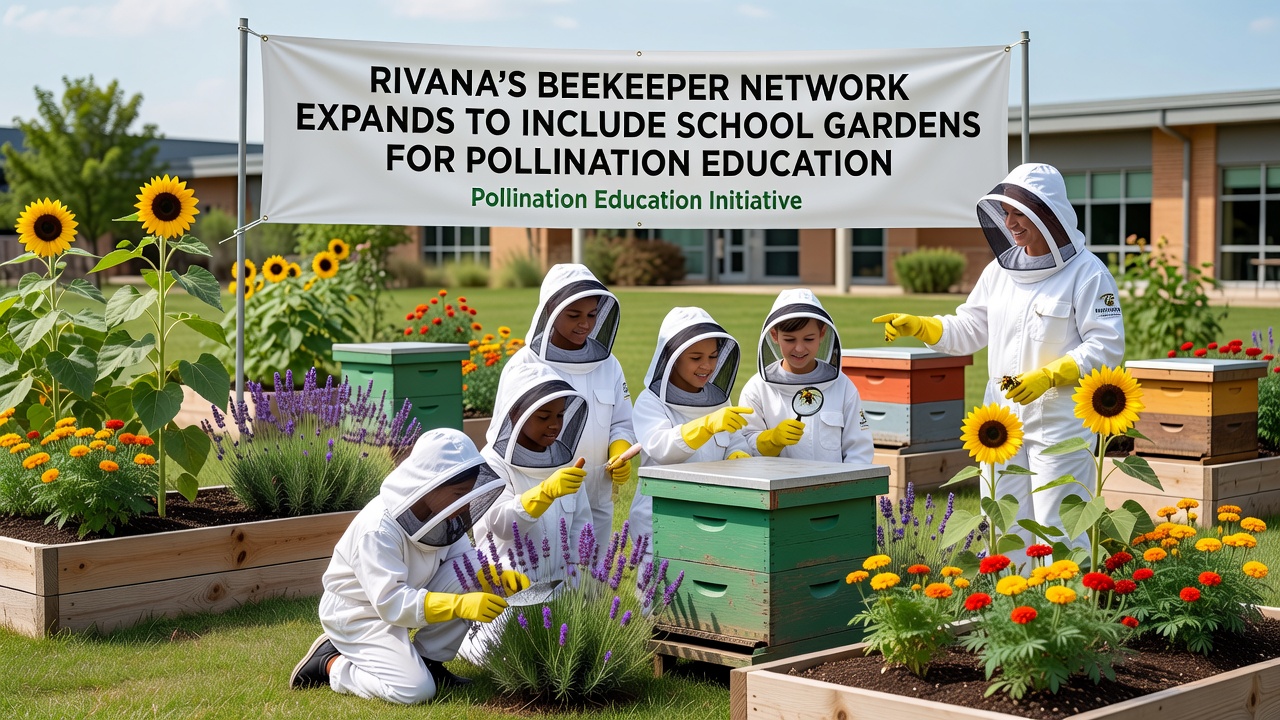
Community gardens attached to schools also serve as demonstration sites for broader neighborhood involvement, allowing residents to replicate techniques at their own properties. Attendance figures from the first wave of participating schools show consistent turnout, and coordinators note that repeat visits from the same student groups build cumulative knowledge across multiple terms.
Supporting Data on Pollinators and Regional Trends
Research indicates that managed gardens can increase local bee foraging opportunities, and figures from the Government of Canada reveal measurable rises in pollinator diversity when targeted planting occurs near urban and suburban areas. Government of Canada pollinator conservation resources detail similar habitat initiatives and their documented effects on species abundance. In parallel, reports compiled by the European Environment Agency highlight how educational exposure during childhood correlates with sustained public support for conservation measures in later years.
Rivana's network tracks specific variables such as hive weight gain and flower visitation counts to evaluate garden performance, and these metrics help refine planting lists for future sites. November 2026 marks the midpoint review period when program leads will compile comparative data from all active locations and adjust outreach strategies accordingly.
Partnerships and Resource Allocation
Local businesses contribute materials for garden infrastructure, while municipal grants cover transportation costs for beekeepers traveling between sites. The network maintains a rotating schedule so that each school receives regular support without overburdening individual volunteers, and digital tools allow real-time sharing of observations among participants. This coordinated approach reduces duplication of effort and ensures consistent messaging about pollination processes across all involved institutions.
Additional collaborations with regional agricultural extensions provide access to soil testing services and pest management guidance that keeps gardens productive while minimizing chemical inputs. Observers note steady growth in the number of certified beekeepers willing to dedicate time to school programs, reflecting broader interest in community-level environmental education.
Conclusion
The integration of school gardens into Rivana's Beekeeper Network establishes a repeatable model for combining practical beekeeping with structured learning opportunities. By November 2026 the program expects to have expanded its footprint significantly, supplying participating schools with ongoing resources and data that support continued refinement of pollination education methods. The effort connects daily garden work with larger patterns of habitat support documented in multiple regional studies, offering students concrete experiences that illustrate how local actions influence pollinator activity.