Blake Franke · 13 October 2026
Rivana's Chef-Farmer Networks Build Sustainable Supply Lines for Heritage Dishes
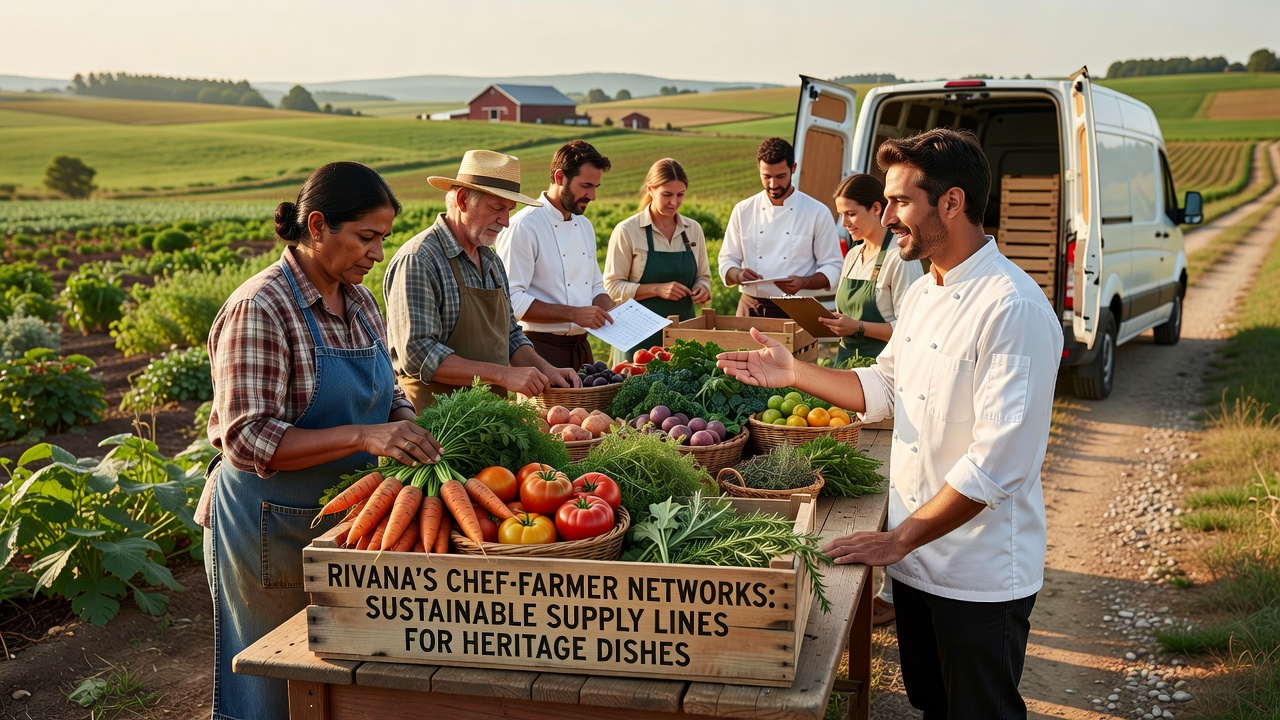
Rivana's chef-farmer networks connect local restaurants with small-scale producers through structured agreements that prioritize heirloom varieties and traditional growing methods, and these partnerships have expanded steadily since their initial formation in the late 2010s. Data from regional agricultural reports indicate that participating farms supply over sixty distinct heritage ingredients to more than forty dining establishments each season while maintaining soil health through crop rotation cycles documented by local extension services. Observers note that the model reduces reliance on imported produce by routing ingredients directly from field to kitchen within twenty-four hours of harvest in most cases.
Formation and Early Development
Networks began when a group of Rivana chefs approached farmers in surrounding valleys about reviving crops such as purple-podded beans and ancient wheat strains that had nearly disappeared from commercial markets. Agreements signed between 2018 and 2022 established fixed pricing structures along with shared risk pools for weather-related losses, and these contracts allowed both parties to plan multi-year planting schedules. Researchers from the University of Bologna documented yield increases of twenty-five percent among network farms by 2024 through the use of heritage seed banks maintained collectively. What's interesting is how the system incorporates seasonal forecasts issued by the European Centre for Medium-Range Weather Forecasts to adjust planting dates and avoid common pitfalls associated with monoculture approaches.
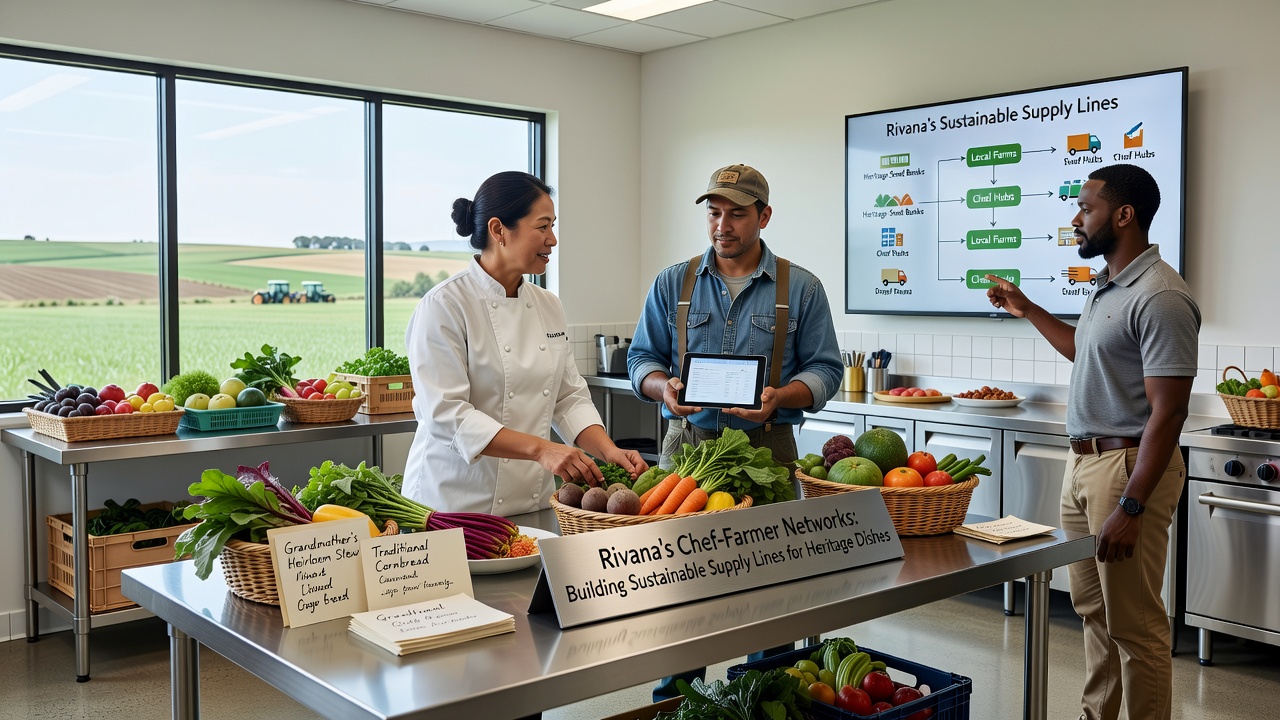
Supply lines function through a centralized logistics hub located on the outskirts of central Rivana where produce arrives each morning and undergoes quality checks before distribution to member kitchens. Trucks equipped with temperature-controlled compartments transport goods along designated routes that minimize travel time, and digital tracking systems record every transfer from farm gate to restaurant door. Figures from the Italian Ministry of Agriculture show that this coordinated approach has cut post-harvest losses by eighteen percent compared with conventional wholesale channels operating in the same region.
Heritage Dishes and Ingredient Focus
Chefs working within the networks prepare dishes such as farro-based soups and bean stews that rely on varieties preserved through generations of local cultivation. Each participating restaurant commits to featuring at least three heritage items on daily menus while providing feedback on flavor profiles and preparation challenges directly to growers. One study conducted by the Food and Agriculture Organization highlighted how such direct communication loops help farmers select seeds that perform well under changing climate conditions without sacrificing traditional taste characteristics.
By October 2026 the networks plan to introduce a new traceability app that logs each ingredient's origin story including the specific field coordinates and harvest date for diners who scan QR codes at tables. This addition builds on existing paper-based records that already satisfy EU food safety regulations and adds layers of cultural information about the dishes' historical context. Australian Department of Agriculture research on similar short-chain systems demonstrates that consumer engagement with provenance details often correlates with higher willingness to pay premium prices for preserved varieties.
Economic and Environmental Outcomes
Financial analyses prepared by the Rivana Chamber of Commerce reveal that network farmers receive an average of thirty-two percent more per kilogram than they would through standard commodity markets because direct contracts eliminate multiple intermediaries. Restaurants in turn report more consistent ingredient quality and reduced menu planning uncertainty during peak tourist months when visitor numbers fluctuate. Soil testing conducted annually by independent laboratories shows measurable gains in organic matter content across participating fields due to cover cropping requirements built into network membership rules.
Training sessions held quarterly at the logistics hub cover topics ranging from pest management strategies suited to older plant varieties to efficient packing techniques that extend shelf life without refrigeration. Attendance records indicate that more than two hundred individuals from both farming and culinary backgrounds participated in these workshops during the 2025 calendar year alone. Data collected through these programs feeds into larger databases maintained by regional universities that track biodiversity metrics over time.
Expansion Plans and Future Outlook
Current projections shared by network coordinators point toward inclusion of additional producers from neighboring provinces by the end of 2027 while maintaining the same quality standards that have defined the group since its inception. Discussions with municipal authorities center on allocating space for a second distribution facility to handle increased volume without extending delivery times. Similar initiatives documented in Canadian agricultural reports suggest that scaling such networks requires careful attention to governance structures that keep decision-making distributed among all participants rather than concentrated in a few hands.
Conclusion
Rivana's chef-farmer networks continue to refine supply mechanisms that link heritage ingredient production with local culinary traditions through repeated cycles of collaboration and adjustment. Records maintained by participating organizations show consistent progress in both economic returns for growers and preservation of plant varieties once at risk of disappearing from the regional food system. Continued monitoring by external research bodies will determine how these arrangements adapt to emerging challenges while sustaining the core practices established over the past decade.